

FIDE Global Conference on Chess in Society and Education Kicks Off in Bhubaneswar
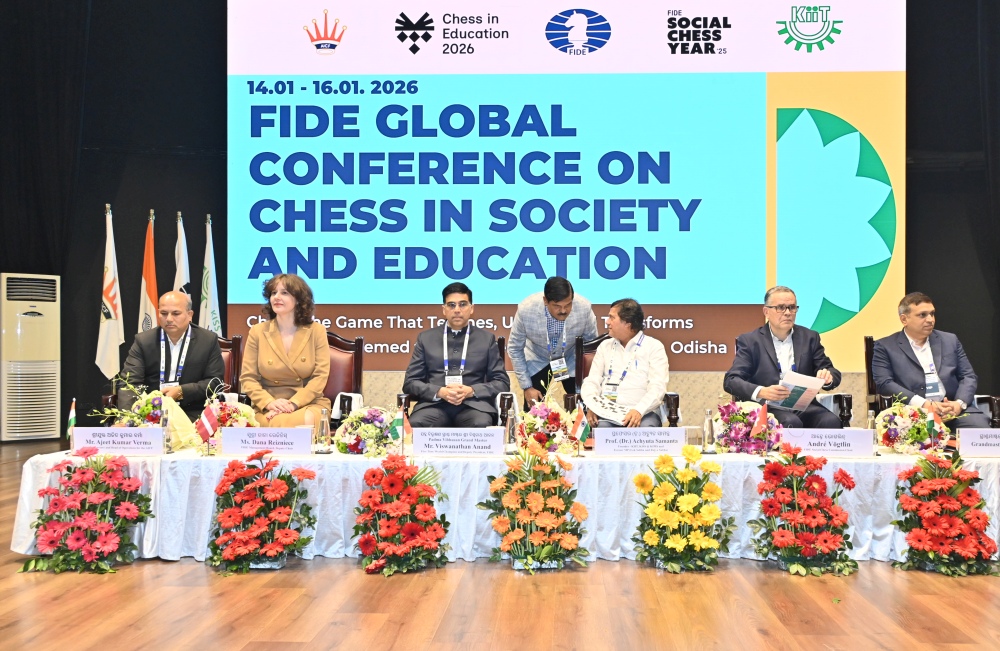
The FIDE Global Conference on Chess in Society and Education began at KIIT University, Bhubaneswar, on 14 January 2026. The three-day event brings together education leaders, researchers, social impact practitioners, and chess organisers. It also marks the launch of the FIDE Year of Chess in Education 2026.
KIIT University has hosted this conference, highlighting its long-standing work in chess and education. The institute has organised international chess festivals for over 18 years. The most recent festival had a total prize fund of INR 1.30 crore. KIIT has produced 46 international chess players and hosted more than 30 global events, including World Junior Championships. Chess is part of KIIT’s educational framework, showing a commitment to learning and development through the game.
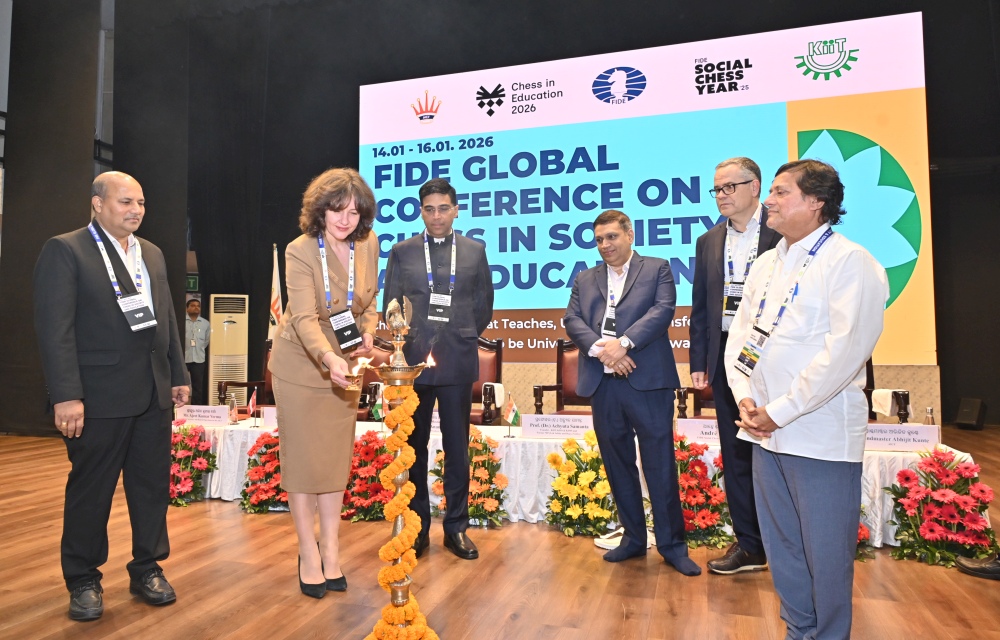
The conference opened with a ceremonial lamp-lighting. Speakers included Dana Reizniece, Deputy Chair of the FIDE Management Board; Viswanathan Anand, FIDE Deputy President; Achyuta Samanta, Founder of KIIT; André Vögtlin, Chair of the FIDE Social Chess Commission; Abhijit Kunte, Grandmaster; and Mukesh Ranjan Das, Executive Director (HR) of IndianOil.
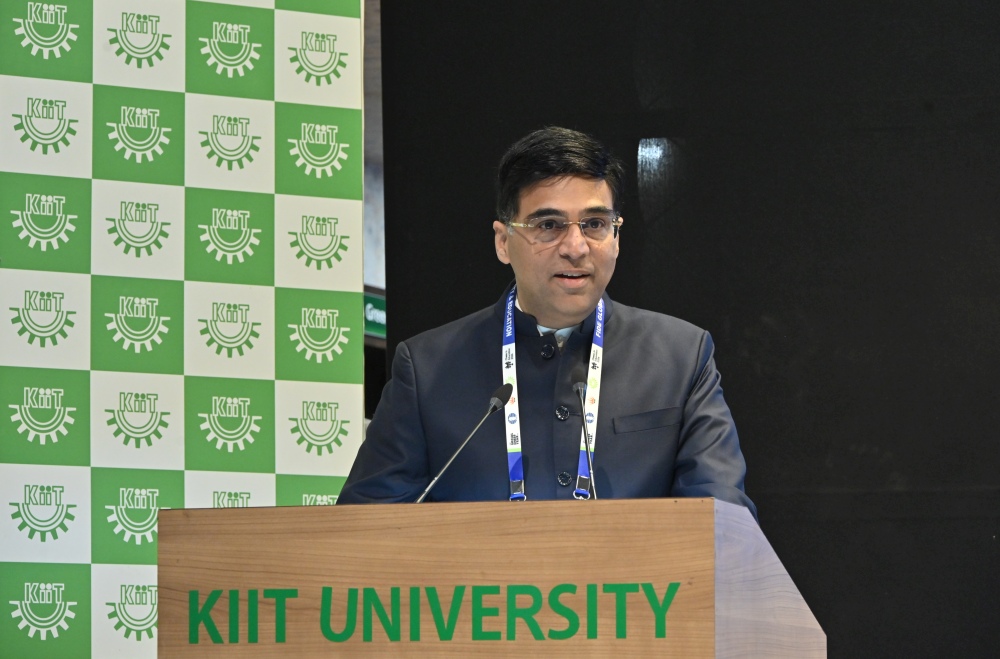
The event focused on two main themes: chess as a social tool and chess as a support for learning. Dana Reizniece said, “Education is about turning mirrors into windows,” linking chess to empowerment and new ways of thinking. Anand highlighted that chess in education is not about making professional players. Instead, it helps students develop focus, discipline, and decision-making skills that benefit learning and life.
FIDE Social Chess 2025 Highlights and 2026 Priorities
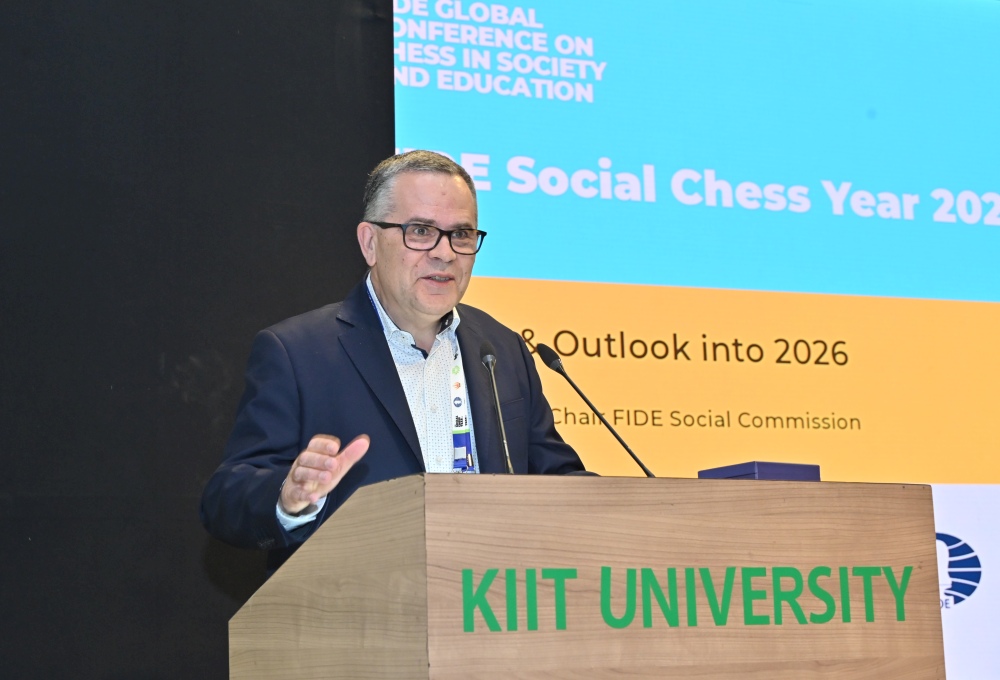
André Vögtlin reviewed FIDE Social Chess 2025 and shared plans for 2026. He highlighted campaigns like “Every Move Counts,” a global tournament with 20,078 participants organized with Lichess.org. Vögtlin said,
Chess is more than a game. It empowers, includes, educates, and transforms communities.
The goal for 2026 is to scale social chess and measure its impact worldwide.
Chess and the Brain
Dr. Cristóbal Blanco Acevedo explained how chess activates multiple brain areas. Chess engages memory, calculation, and emotional control. He noted that cognitive training only works if it translates into real-life performance.
Building International Social Chess Ecosystems
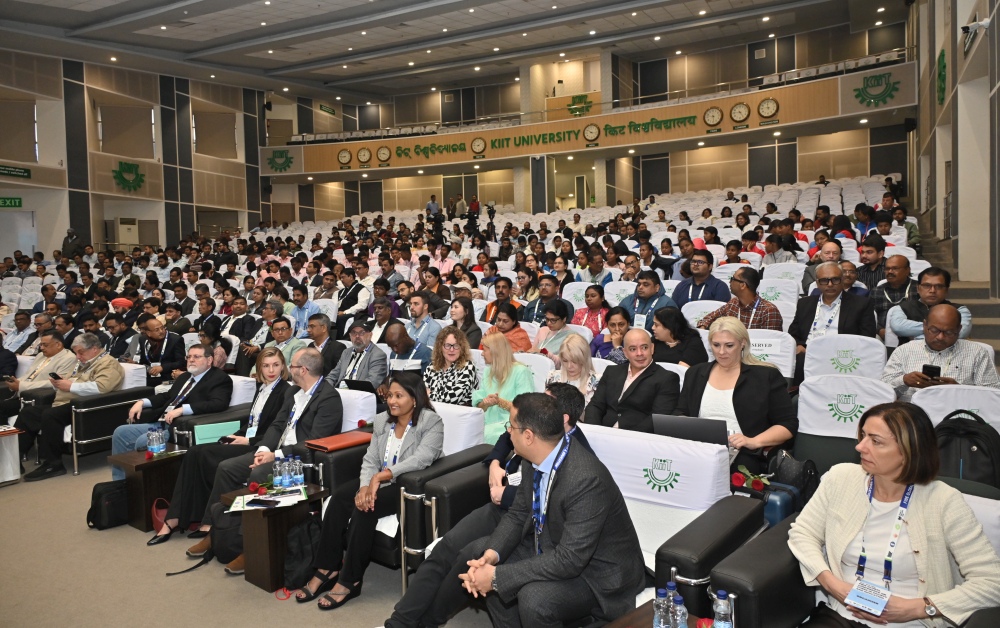
Speakers discussed how chess can support communities globally. Francesca Bonelli from UNHCR shared how chess helps displaced people. By 2024, 123.2 million people were forcibly displaced worldwide. FIDE and UNHCR have collaborated since 2021 on the “Chess for Protection” project in refugee camps.
Russell Makofsky of The Gift of Chess explained distributing chess sets globally. He said, “When communities have access, opportunities begin to grow.” Rodrigo Barbeiton highlighted how clubs help maintain long-term engagement with chess.
FIDE Social Chess Program Updates
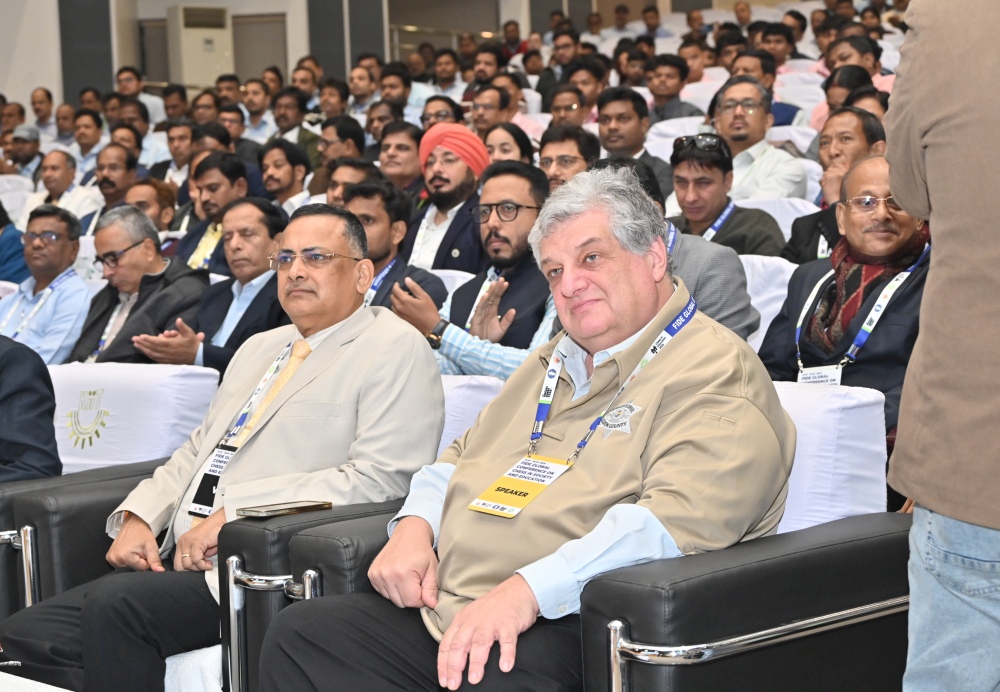
Anastasia Sorokina shared updates on Chess for Protection for refugee girls and schools. Mikhail Korenman presented Chess for Freedom in prisons. Prabitha Urwyler explained Chess for Hope and Recovery, using chess for rehabilitation and reflection. April Yunwei Zhong highlighted Chess for the Elderly, promoting cognitive activity and social connection. Maryia Tamkovic introduced Infinite Chess, with adaptive learning models for players of all levels.
Social Chess in India
Neelaya from the Andaman and Nicobar Chess Association shared projects in schools, orphanages, and prisons. He described beach clean-ups, Indigenous community outreach, and onboard ship championships. Neelaya said,
Each move on the chessboard represents a larger life decision. Sometimes the strongest waves of change begin with a single move.
IndianOil and Prison Chess Programs
Mukesh Ranjan Das discussed IndianOil’s support for chess in prisons. Abhijit Kunte explained the long-term rehabilitation programs using chess. WGM Padmini Rout shared her teaching experiences in prisons. She introduced the “ATM” framework: Analyse options, Take decisions, and Manage consequences. She noted, “Blunders in chess are like blunders in life.”
Bridging Research and Practice
The conference covered chess in addiction, ADHD, and gender equality. Sabine Vollstädt-Klein discussed self-regulation and addiction. Hilario Blasco Fontecilla explained chess’s role in ADHD support. David Smerdon presented the Gender Equality in Chess Index.
The day ended with an official inauguration attended by FIDE President Arkady Dvorkovich. Participants enjoyed hall meetings, project expos, storytelling, social awards, and a gala dinner.
Hands-On Learning and Workshops
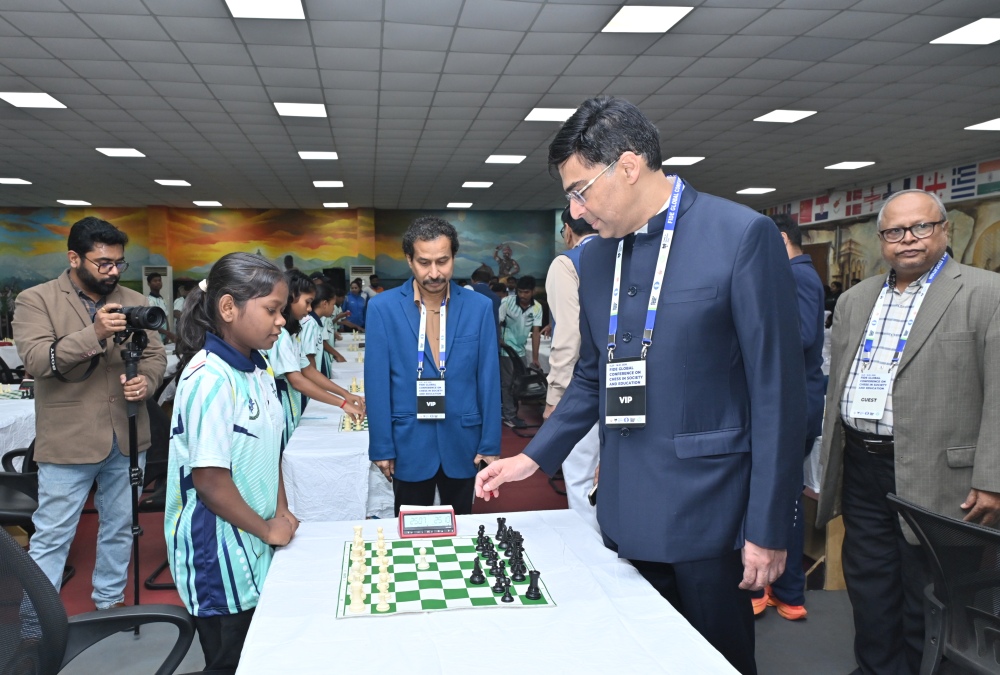
Exhibitions and masterclasses focused on chess in education. Topics included problem-solving for gifted students, pathways from classroom to club, critical thinking, and digital tools like LogicBoard.
Day Two Preview
Day two focuses on chess in education. Sessions cover policy frameworks, research, and practical implementation in schools. Experts will explore integrating chess into curricula, teacher training, and education systems. The conference will be streamed live on the FIDE YouTube Channel.
Photos: FIDE_Chess
Source: FIDE CHESS NEWS